
How IGA of BC turns its surplus food into 2 million meals of impact
IGA of BC has hit the milestone of 2 million meals donated. Meet some of the organizations using its unsold food to help the growing number of Canadians facing food insecurity.



Metro Vancouver is updating its solid waste management plan with the goal of reducing solid waste and related emissions through a transition to a circular economy. Food recovery efforts prevent unsold food from going to waste or compost, avoid CO2e emissions and create jobs.
Metro Vancouver has a contract with FoodMesh to increase food recovery in the region. The Food Recovery Network project helps Metro Vancouver based food businesses divert their unsold food from going to waste or compost in a safe, cost effective and convenient way.
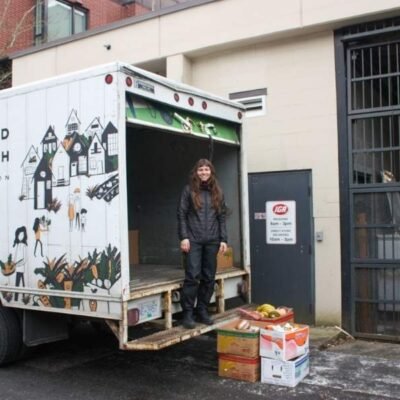
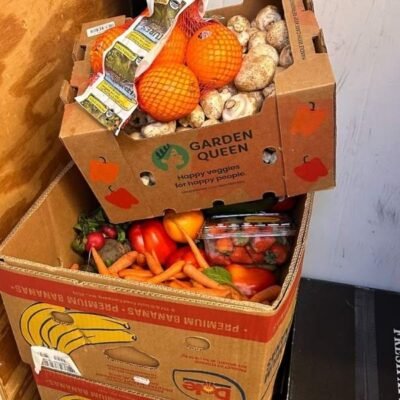
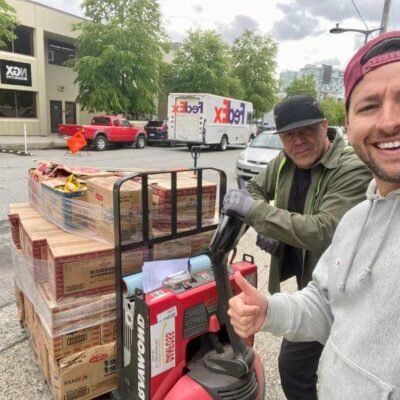
“There is enormous need to supply families facing food insecurity with nutritious wholesome foods in communities across British Columbia and IGA is proud to support these essential efforts thanks to our incredible partnership with FoodMesh and a multitude of charitable partners”
– Tom Truchan, Director, Health & Food Safety, Sustainability & Logistics, Georgia Main Food Group
1 September 2021 – 31 August 2025
Note: This does not include food that is recovered in the region outside of FoodMesh’s programs and services

Network members

Food diverted (KG)

Meals created

CO2e avoided (KG)
“With their donations, we are addressing immediate hunger and improving food access through our dignified food programs.”
– Enrik Gagnon, Operations and Food Recovery Manager, Food Stash Foundation

IGA of BC has hit the milestone of 2 million meals donated. Meet some of the organizations using its unsold food to help the growing number of Canadians facing food insecurity.

Find out how Save-On-Foods is raising the bar for food recovery by finding innovative ways to ensure all unsold food—edible or not—goes to its highest and best use.

FoodMesh connects businesses with charities that help people struggling with food insecurity to ensure the region's surplus food isn't going to waste. The Vancouver Sun reports.
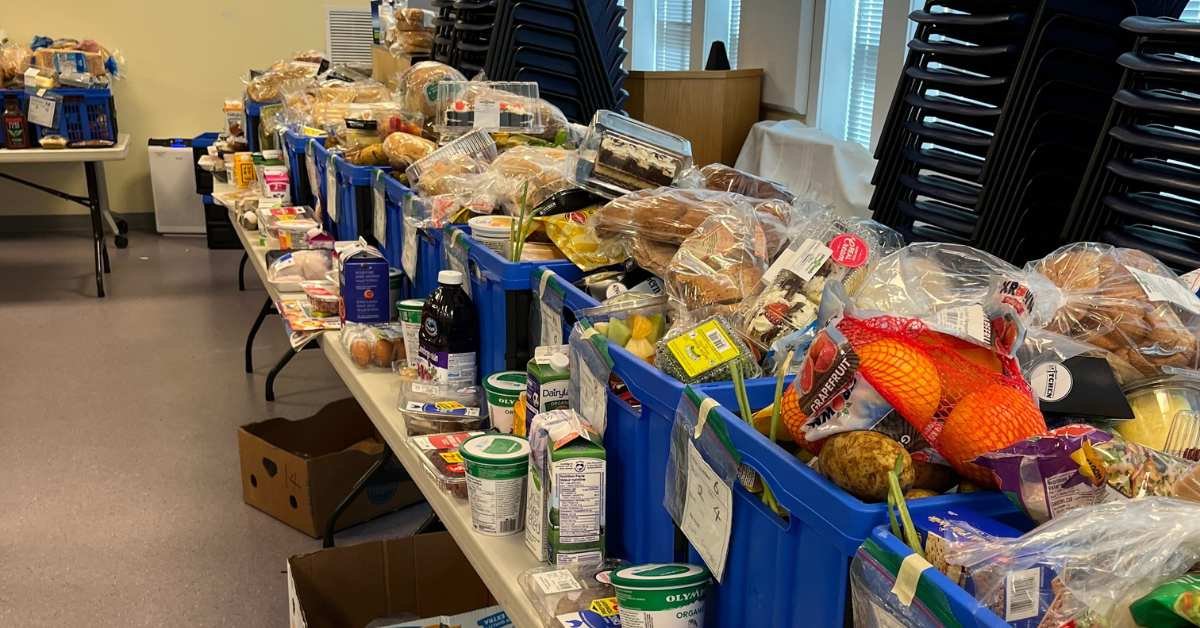
To mark Hunger Action Month, the International Day of Awareness of Food Loss and Waste, store staff see firsthand the impact of their food donations on the community.
To better understand the scale and impact of food recovery across Metro Vancouver, we expanded our measurement efforts beyond FoodMesh’s own network to include organizations working independently in the region. Over two six-month phases, 18 food recovery organizations participated in this study, supported by a small honorarium in recognition of their contributions.
Key insights:
The study captured data from 15% of the region’s potential food donors (food-related businesses).
Between July 2024 and June 2025, the average donation per donor was 5.6 metric tonnes.
Retailers contributed 55% of the total food recovered, despite representing only 20% of donors.
Restaurants, bakeries, and cafés made up 56% of all donors.
88% of recovered food was redirected for human consumption, 10% for farm feed, and the rest for composting.
While donations remain the main way surplus food is redirected, new approaches such as upcycling and discounted sales are emerging.
This study highlights the strong collaboration among food recovery organizations in Metro Vancouver, who often share pickups, redistribute food among partners, and pool resources to ensure good food is never wasted.
Upcycled food products are made from ingredients that would otherwise go to waste. By transforming these ingredients into new, high-quality products through verified supply chains, upcycling helps prevent food waste and supports Metro Vancouver’s 2050 goals to reduce solid waste emissions and advance a circular economy.
To better understand the opportunities and challenges facing this emerging sector, FoodMesh conducted a study to assess the potential of the region’s upcycling industry.
Key insights:
Eight upcycling businesses were identified as currently operating in Metro Vancouver, with several participating in in-depth interviews.
The study found strong potential for the sector to expand and contribute meaningfully to regional food waste reduction goals.
However, scalability and market access remain key barriers to growth and long-term economic viability.
Participants identified a need for increased awareness, supportive infrastructure, and collaboration to strengthen the regional upcycling ecosystem.