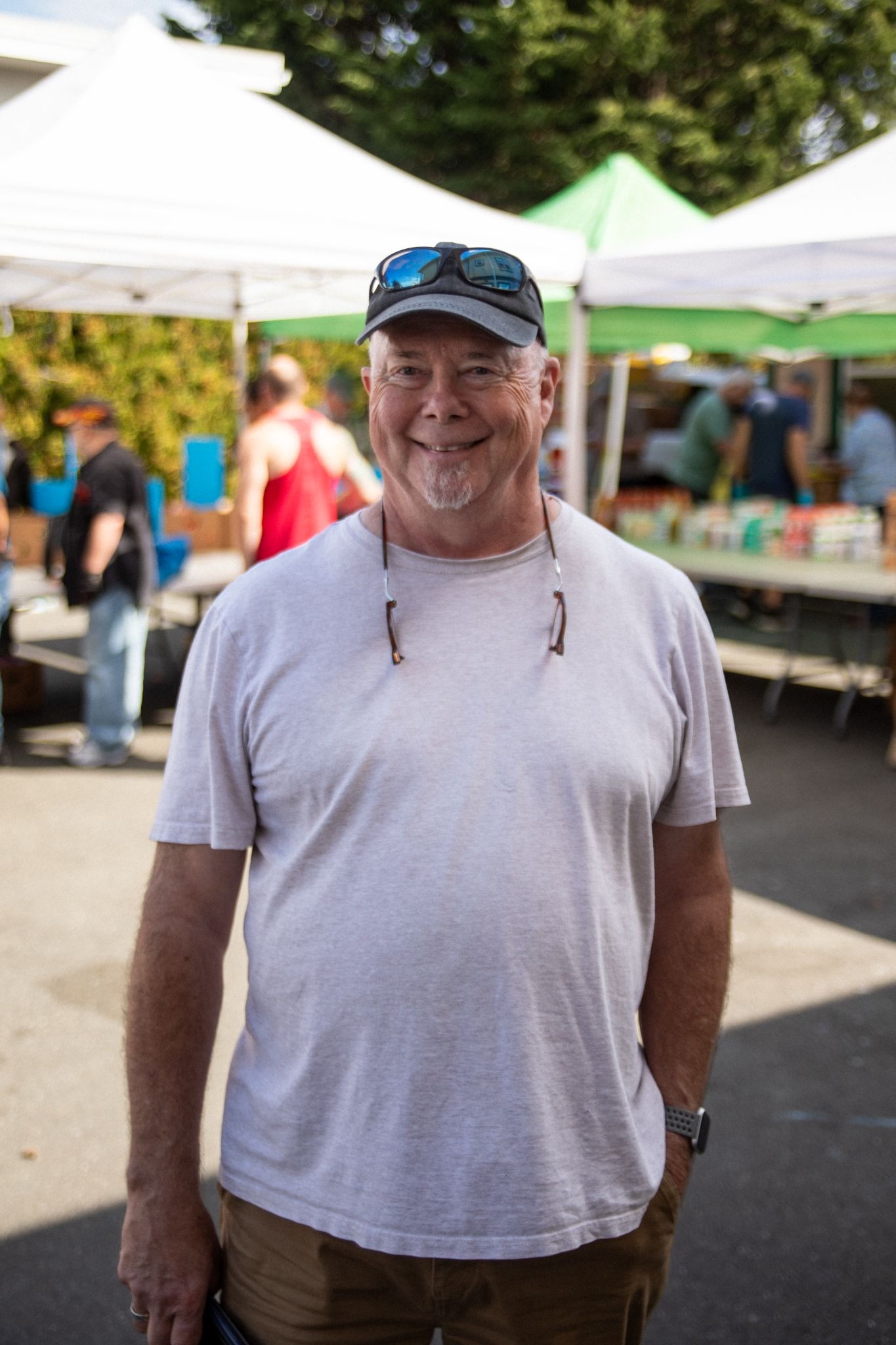
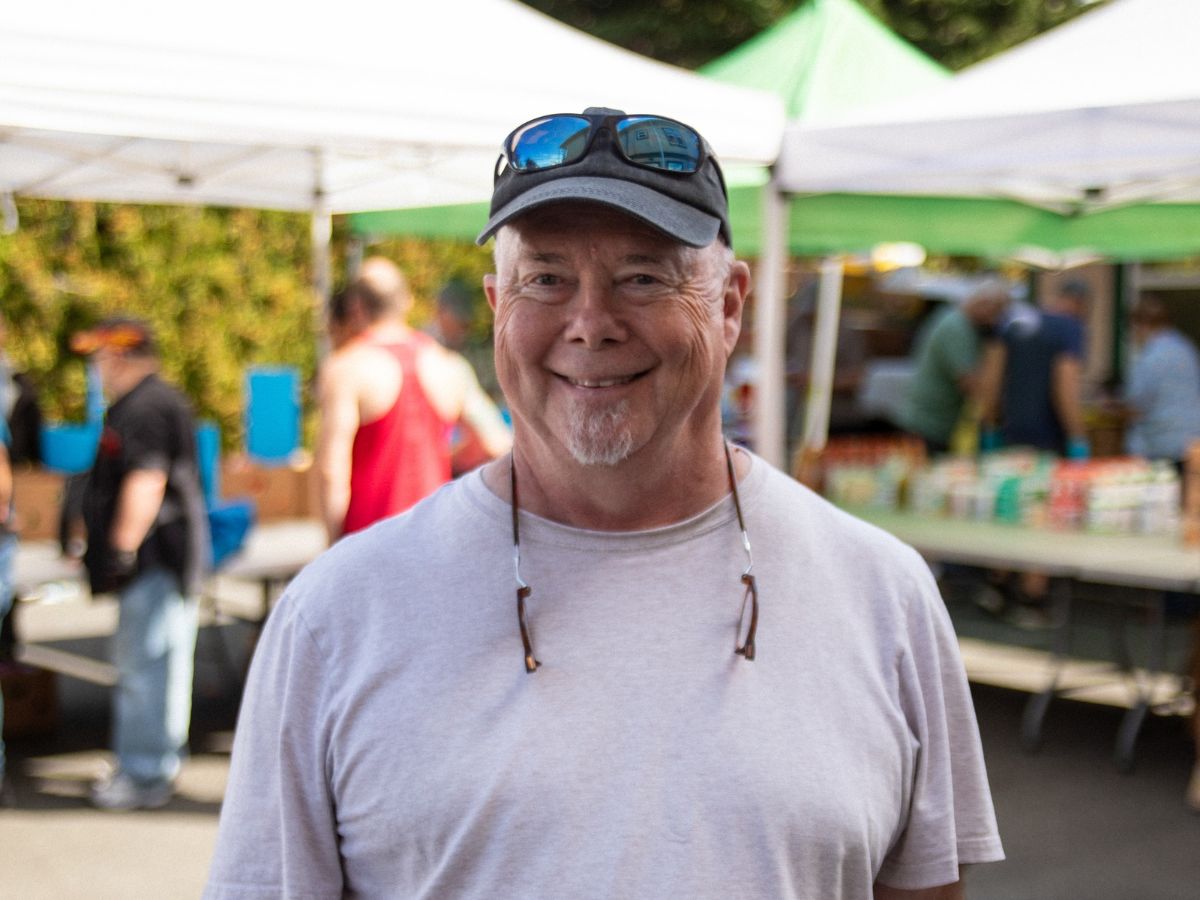
Every week, surplus food makes the journey from local retailers to community charities but the impact is felt beyond the ones receiving. Terry Hopkins, Distribution Centre Coordinator and Esquimalt Market Lead at our partner organization Living Edge Community, offered his perspective capturing what receiving these donations actually looks like on the ground.
Here is a firsthand look at how retail surplus is transformed into nourishment, in his own words.
I start the truck. It's 7:20 a.m. The engine roars and I'm on my way. The early birds are already setting up tables and pulling out pop-up tents. It's going to be hot. Beats the rain, I muse.
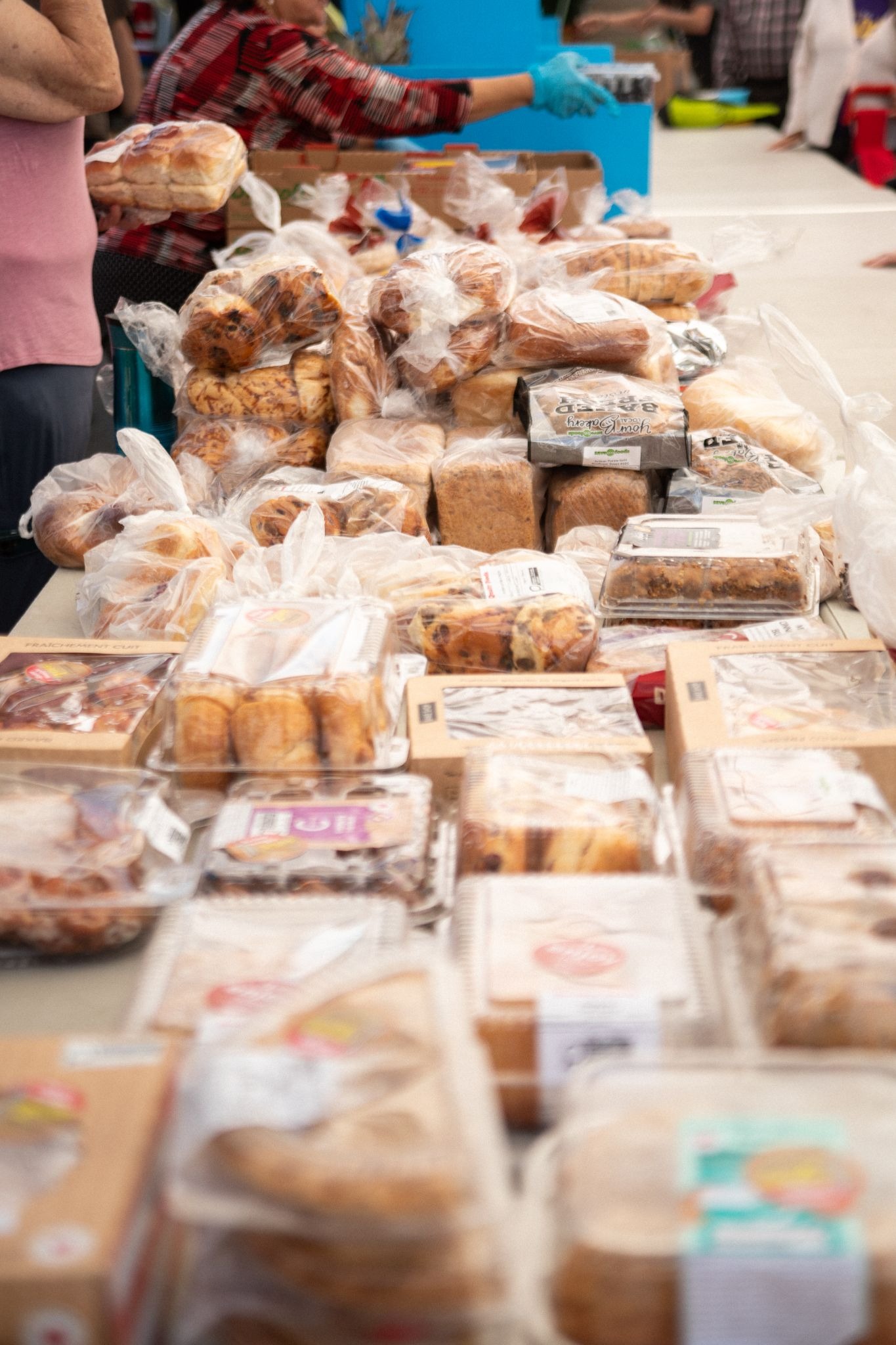
Bodies unload the truck of its grocery contents. How will we fare today? Every week the delivery is an unknown gift of food — produce, bread, fruit, assorted meat and seafood.
I don't know how other market coordinators feel at this moment, but the big questions are always the same: do we have enough food for our community, and will we get the boxes sorted in time for opening? I say a quick prayer to myself and start passing boxes off the van.
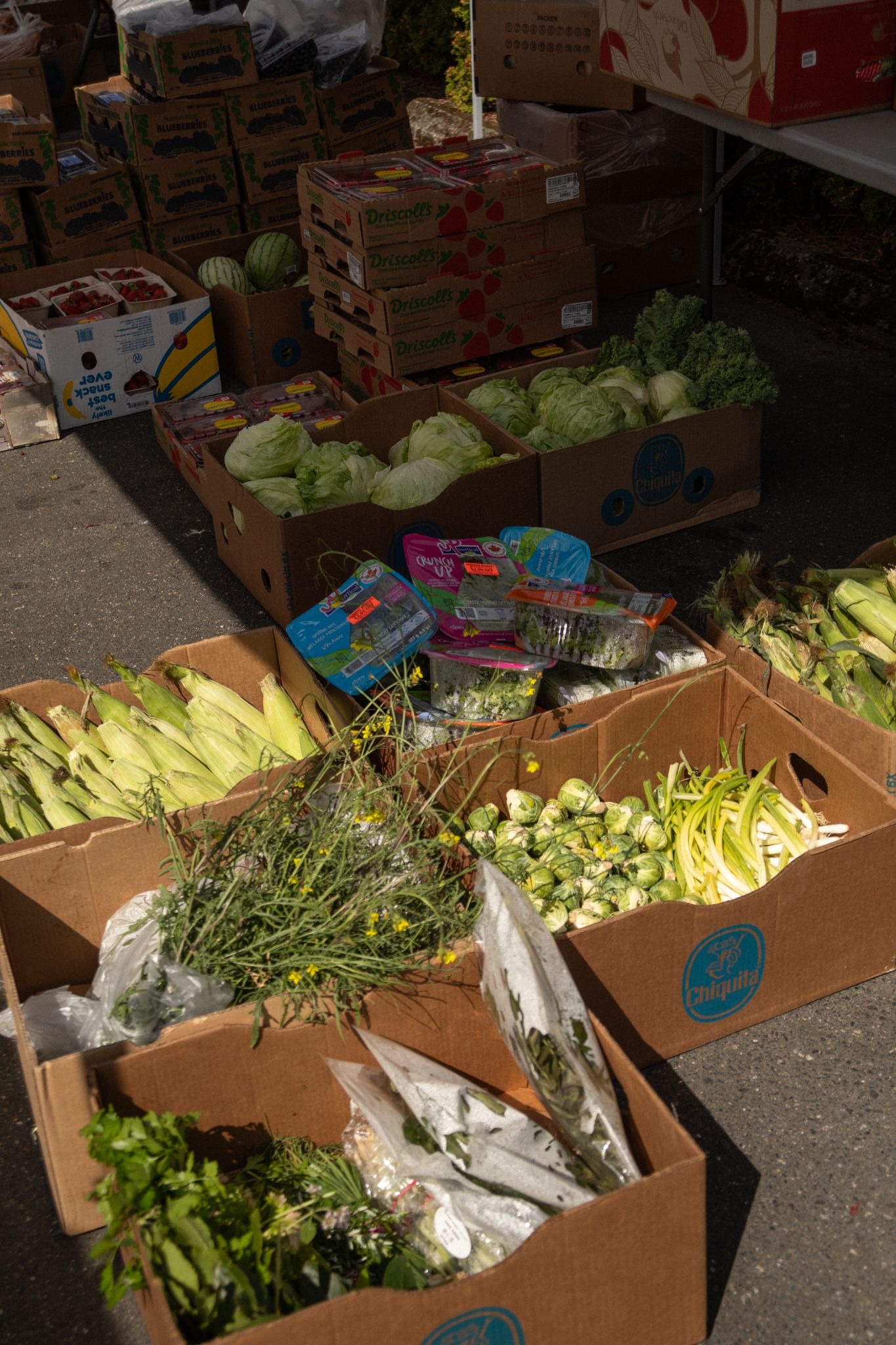
Volunteers arrive, teasing each other. There's laughter over the state of some vegetables — "Why did they donate this?" Order begins to take shape on the tables as we prepare to serve our guests. A hundred and twenty tickets, each with a shopping time, are drawn randomly by our patrons from a bucket. Music is on.
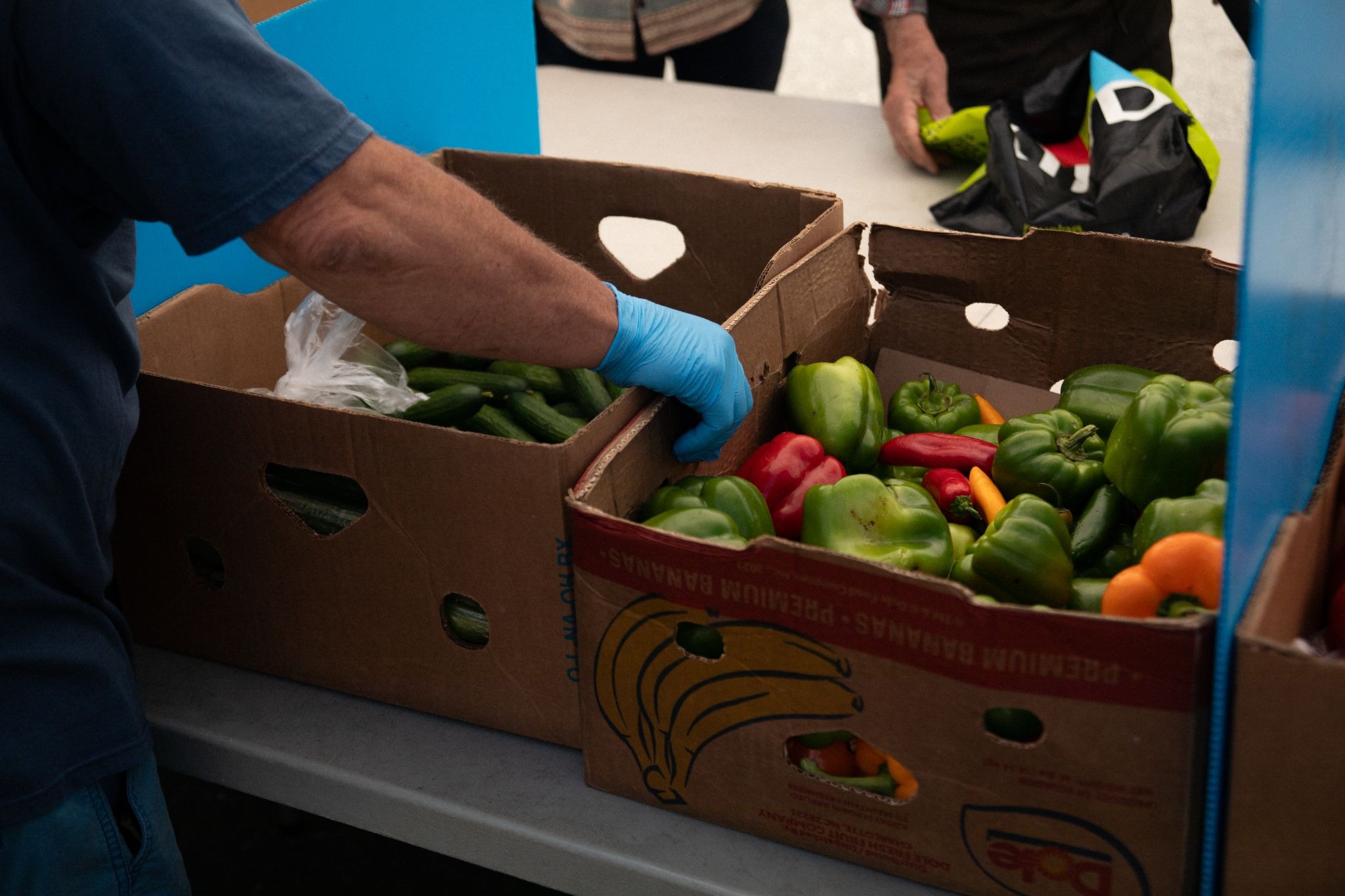
The items are organized, partitions inserted, and the servers stand ready to dispense the bounty that has formed before our eyes. Huddle time. A word of thanks, love, and encouragement for the volunteers — a prayer of gratitude and blessing — and we're off.
I watch the most senior and least mobile arrive and take their seats. Some get tea or coffee, maybe a snack. I walk over and greet them by name. A few hugs come my way, along with plenty of friendly teasing, as they wait their turn to shop.
By 1:45 p.m., the no-ticket line — first come, first served — is winding down. The tables look bare. The count approaches 150 households. Our volunteers look tired but happy; they're still smiling.
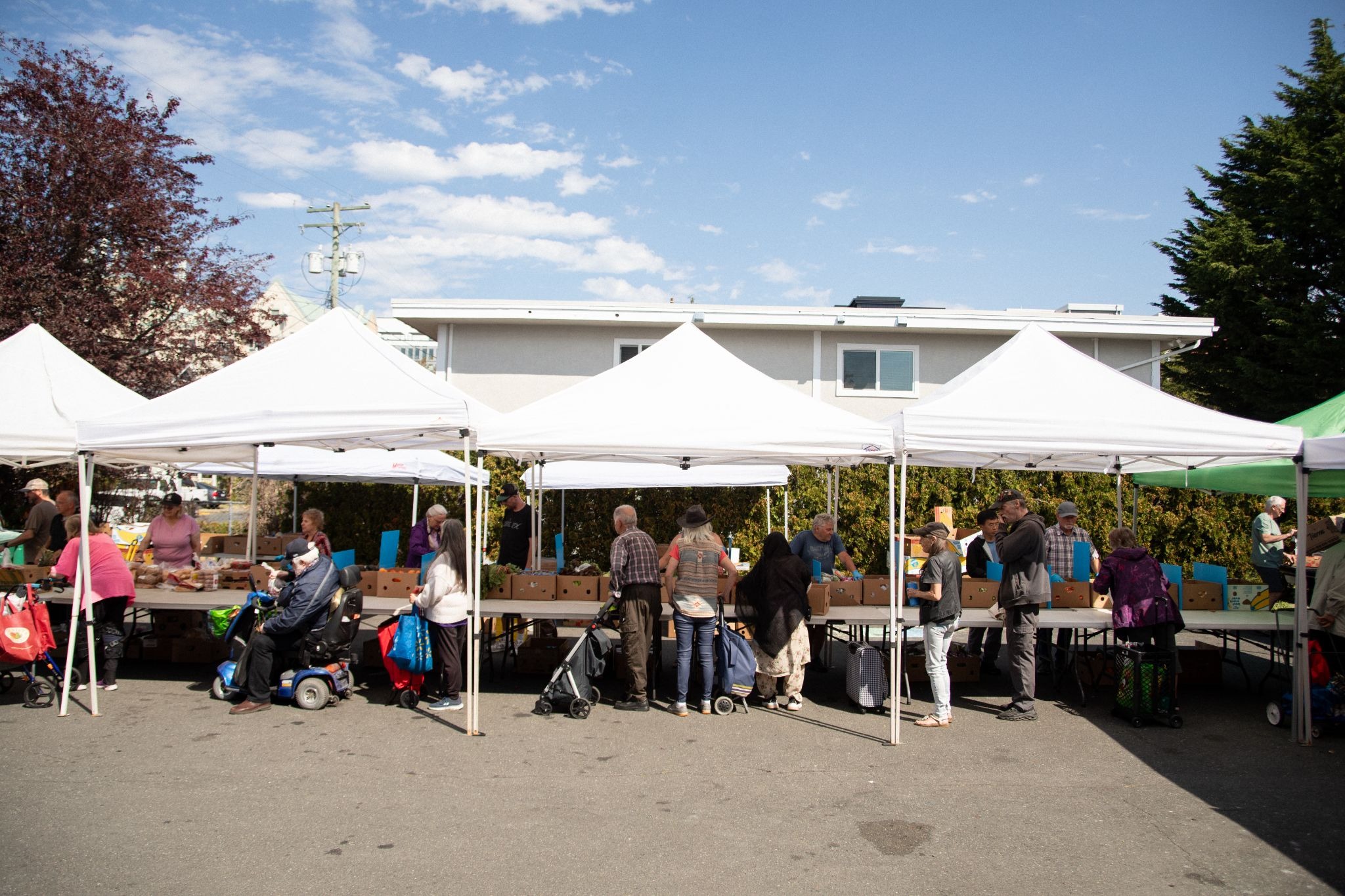
An ambitious volunteer begins condensing the remaining goods and taking down the tables. Tents are stowed, tables stored, compost emptied.
Everything is put away, and the doors to our volunteer area are locked. Cardboard goes into the recycling bin. The last workers trade quips as they place the final pieces of market equipment into storage.
A whisper of praise as stragglers head home, hearts already turning toward next week.
- Submitted by: Terry Hopkins, Distribution Centre Coordinator and Esquimalt Market Lead.