

In the heart of Abbotsford, fresh groceries line the aisles of Choices Markets. But behind the scenes, a quiet transformation occurs when unsold food items reach the end of their retail shelf life. Instead of ending up in dumpsters or compost bins, surplus items enter a coordinated regional network that feeds hungry neighbours, supports local livestock, and keeps organic waste out of Fraser Valley landfills.
Through a collaborative partnership between Choices Markets Abbotsford, FoodMesh, local non-profits, and regional livestock producers, this single store serves as the starting spark for a thriving circular food economy.
1. The grocery anchor: Turning surplus into operational value
For grocery retailers, unsold inventory often translates into a costly burden: rising waste disposal and hauling fees. But by implementing FoodMesh’s managed food recovery program, retailers like Choices Markets Abbotsford keep unsold inventory inside the food system—ensuring it benefits the community rather than going to waste.
Every day, store staff categorize unsold food based on its best use. And every day, local organizations arrive to collect and redistribute those items where they are needed most.
The operational and community impact at Choices Markets Abbotsford is clear: since partnering with FoodMesh, the store has successfully rescued 88,897 kg of food from waste streams.
2. Feeding people first: Meeting rising demand in the Fraser Valley
Across Abbotsford and the broader Fraser Valley, community organizations are witnessing a dramatic surge in food insecurity. Soaring grocery prices and housing costs are pushing more residents into hardship—shifting both the volume of food required and the demographics of those seeking help.
Receiving dependable, high-quality donations from retail partners like Choices Markets provides hunger-relief organizations across the region with a steady supply of fresh, nutritious food.
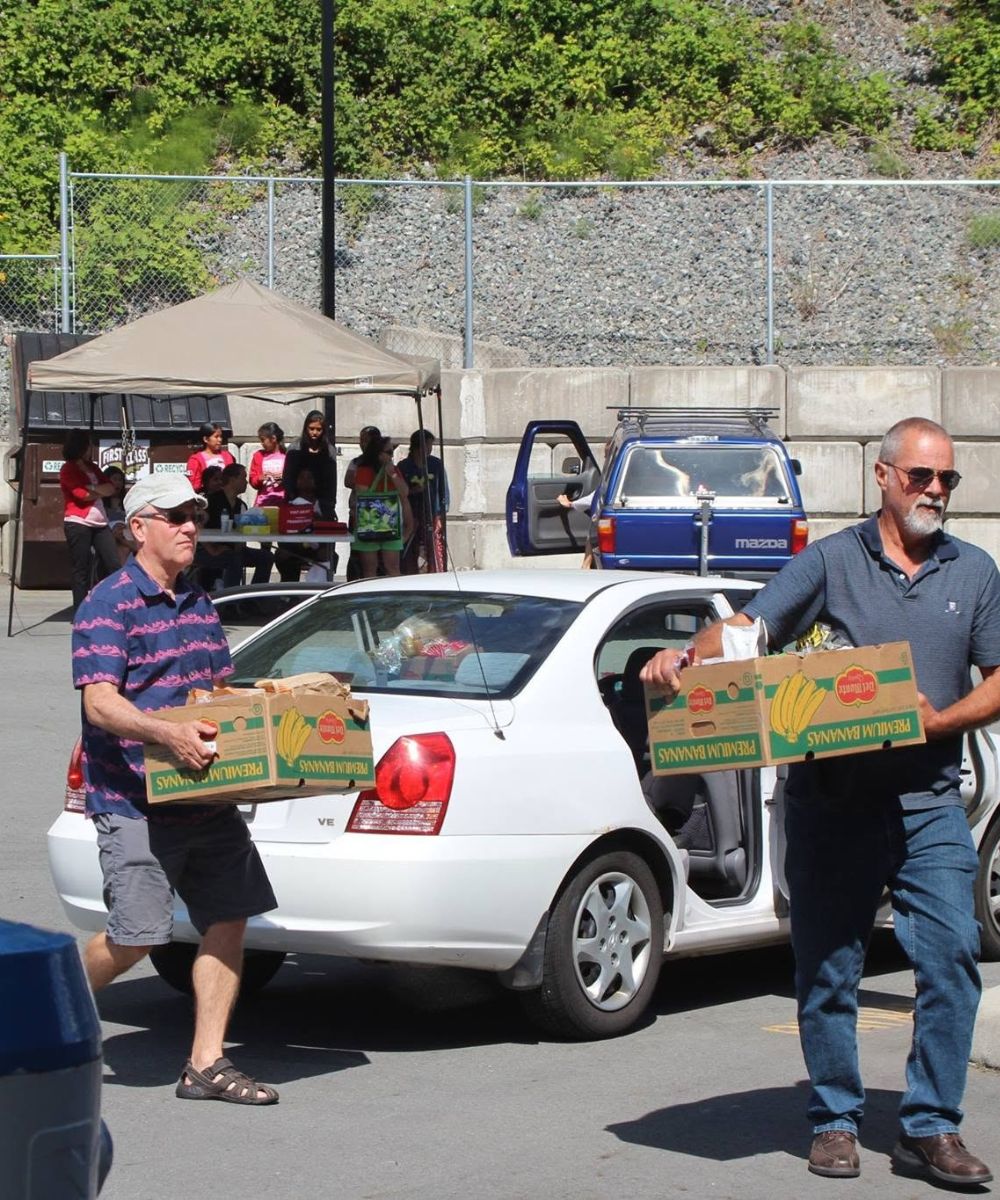
Lifeline Outreach Society & the "Blue Bus"
Operating since 1988 in the downtown core of Vancouver, and serving Abbotsford since 2007, Lifeline Outreach Society reaches vulnerable community members through mobile distribution, including their signature "Blue Bus." While their early outreach focused on individuals experiencing homelessness or addiction, demand has expanded significantly to include the "working poor"—employed residents who simply cannot stretch their paycheques to cover both rent and food—as well as seniors, young families, and newcomers.
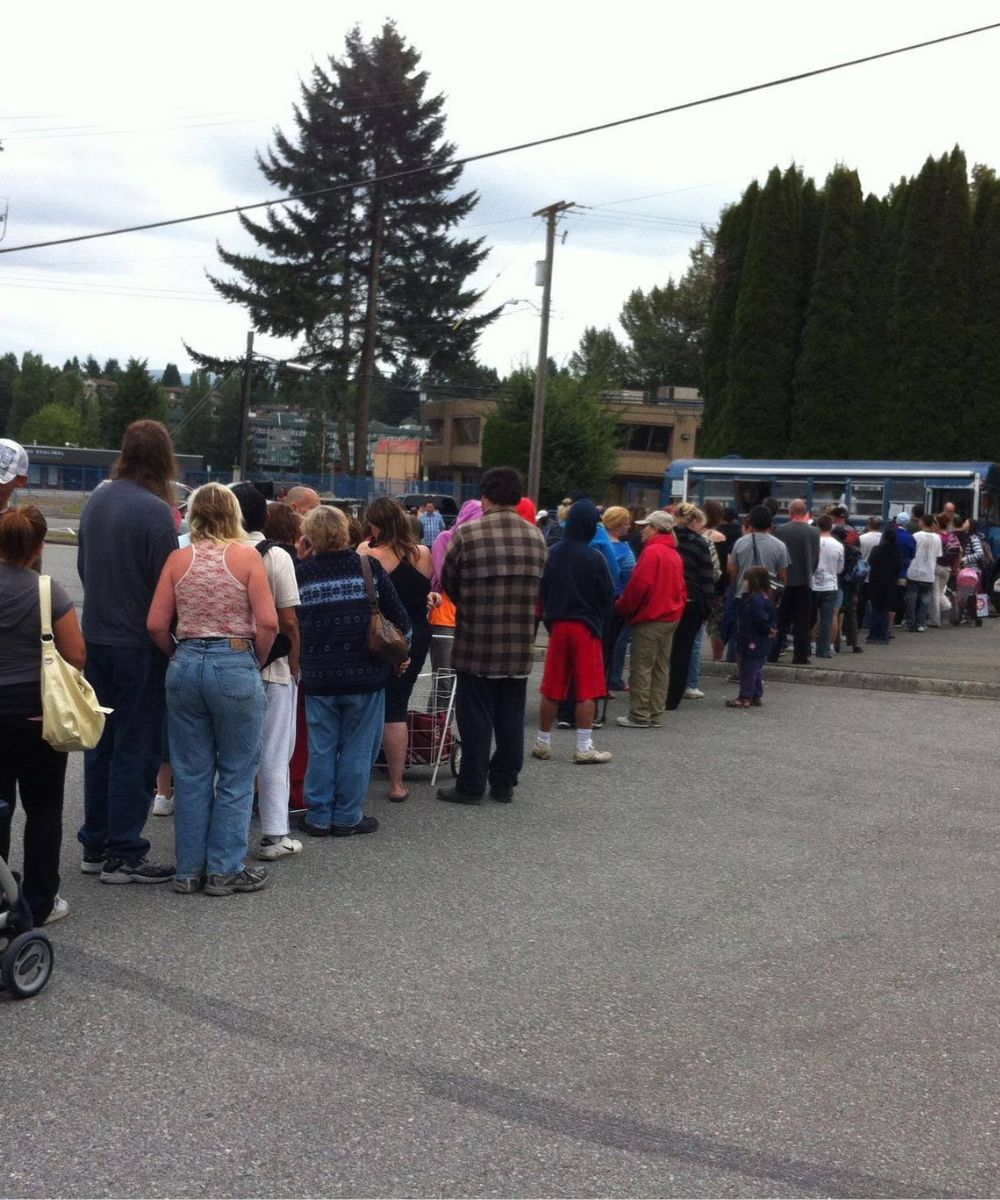
Access to regular grocery pickups allows Lifeline to provide wholesome food while stretching their limited financial resources.
"The donations we receive through FoodMesh directly stretch our operational budget, allowing us to provide fresh, wholesome nutrition to individuals and families who need it most," explains David Poulette from Lifeline Outreach Society.
Beyond easing budget pressures, receiving high-quality surplus—such as produce, dairy, and bakery items—allows Lifeline to serve diverse client groups with care and dignity.
"The fresh produce, dairy, and bakery items we pick up allow us to fill the gap for families who are struggling with rising grocery costs. Having access to good, nutritious food isn’t just about hunger—it gives people dignity."
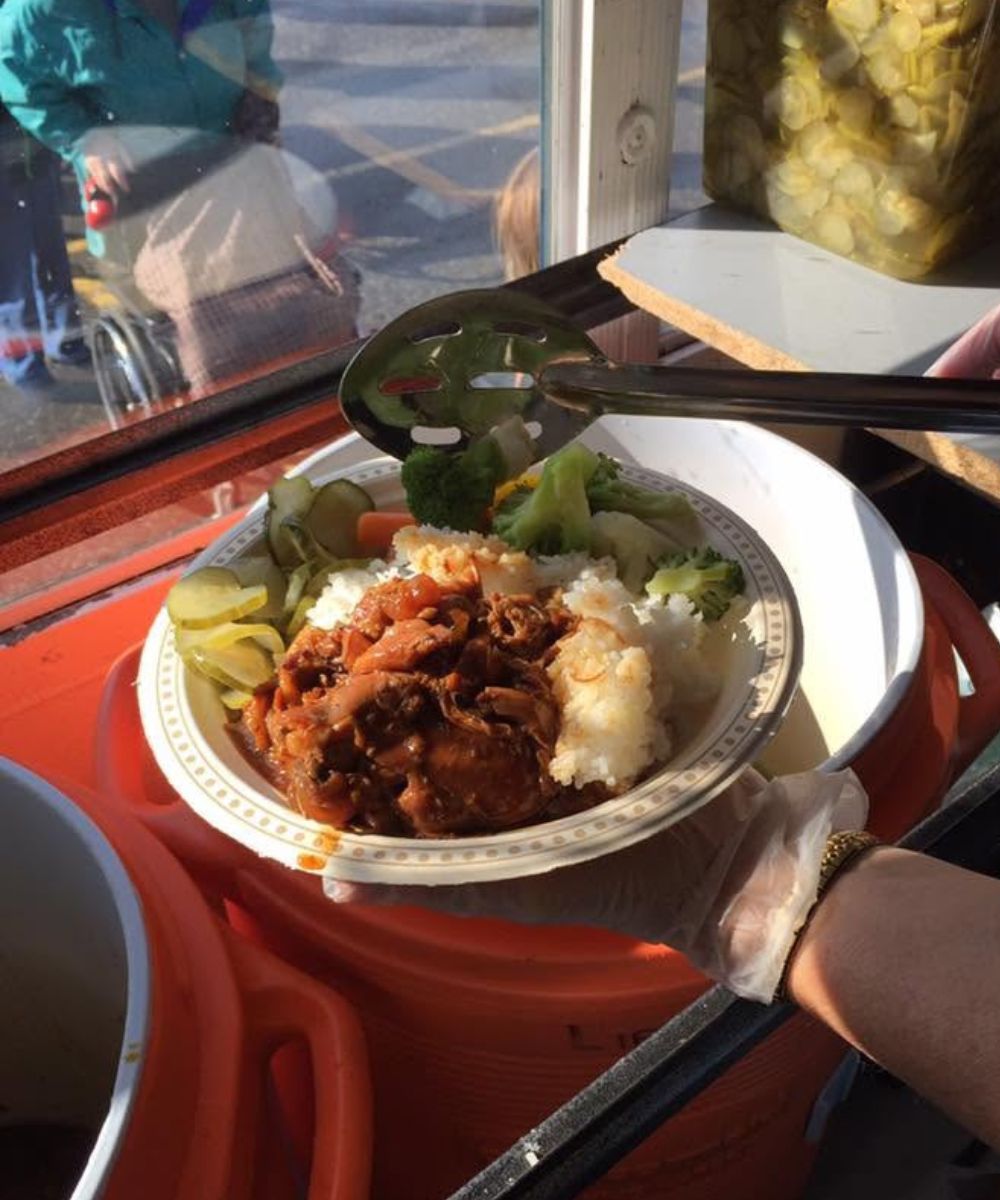
Salvation Army Centre of Hope
At the Salvation Army Centre of Hope in Abbotsford, pressure on meal programs and shelter services has reached historic levels. Serving resident shelter guests three meals a day alongside drop-in community members and emergency hamper programs, the Centre faces the dual challenge of rising ingredient costs and growing client numbers.
Receiving steady grocery donations directly offsets their purchasing costs. Instead of relying strictly on shelf-stable staples to stretch meal counts, the kitchen team can incorporate fresh meat, produce, and dairy into daily meal preparation—maintaining high nutritional standards without reducing portion sizes.
"Having a dependable stream of quality grocery donations means we don't have to compromise on nutrition when serving our clients during high-demand periods. It directly stretches our operational budget so we can help more people"
- Reg Burks of the Salvation Army Centre of Hope.
Bridging the gap
While food recovery alone is not a complete solution to food insecurity, it plays a critical role in helping frontline organizations meet surging demand. Through its connection to non-profits like Lifeline Outreach Society and the Salvation Army Centre of Hope, Choices Markets Abbotsford’s surplus has provided over 130,000 equivalent meals to local individuals and families facing hardship.
When a single retail store serves as an anchor in a managed recovery network, every unsold item—whether destined for an emergency food hamper or a hot prepared meal—stays in circulation to serve a higher purpose.
3. Closing the loop: Supporting local farmers with animal feed
When surplus items reach the end of their human-edible shelf life—such as wilted produce, bruised fruit, or day-old bakery items—they are far from useless. Rather than letting these organic materials break down in landfills, Choices Markets Abbotsford redirects them to local small-scale livestock farmers like Connie Friesen.
For local livestock producers, commercial feed represents a heavy, ongoing expense. Being able to supplement animal diets with fresh grocery surplus provides immediate operational relief.
"Standard chicken feed was very expensive," Connie explains.
"We were always looking for ways to find non-processed food for our chickens. It is a great way to provide fresh food for our animals at low cost."
Beyond easing financial pressure, receiving regular deliveries of fresh items directly enhances animal nutrition—especially during colder months when fresh forage is scarce.
"We have saved costs and improved the nutrition of our chickens. Particularly through winter, the fresh produce is appreciated. Typically we receive 4 to 8 bags of food scraps—this week we got plums, which were happily consumed by the chickens!"
Ultimately, routing non-edible organics back into local agriculture helps small family operations stay sustainable while honoring shared environmental values.
"We value using food waste for a purpose rather than just disposing of it. The program fits our values of reducing waste, and we are very happy to be part of the program."
4. Building infrastructure for a resilient region
A connected circular ecosystem requires coordination, tracking, and ongoing support. FoodMesh serves as the central platform connecting food donors, charities, and farmers while tracking environmental impact metrics across the network.
This regional model is made possible through partnership with the Fraser Valley Regional District (FVRD). By supporting local food recovery infrastructure, the FVRD helps businesses achieve waste reduction goals while building a stronger, more resilient local food system.
Join the network
Every food business, farm, and non-profit that joins the Fraser Valley Regional Food Recovery Network strengthens the local community.
Whether you are a grocer looking to optimize surplus management, a charity seeking fresh food donations, or a farmer in need of animal feed, FoodMesh and the FVRD are here to help you get started.